Hui Tuo Power

Maintenance Methods for High and Low Voltage Distribution Cabinets
Maintenance Methods for High and Low Voltage Distribution Cabinets
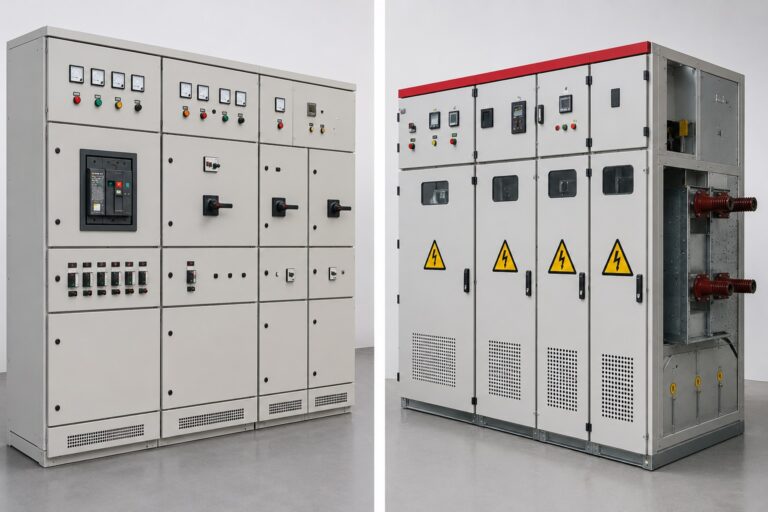
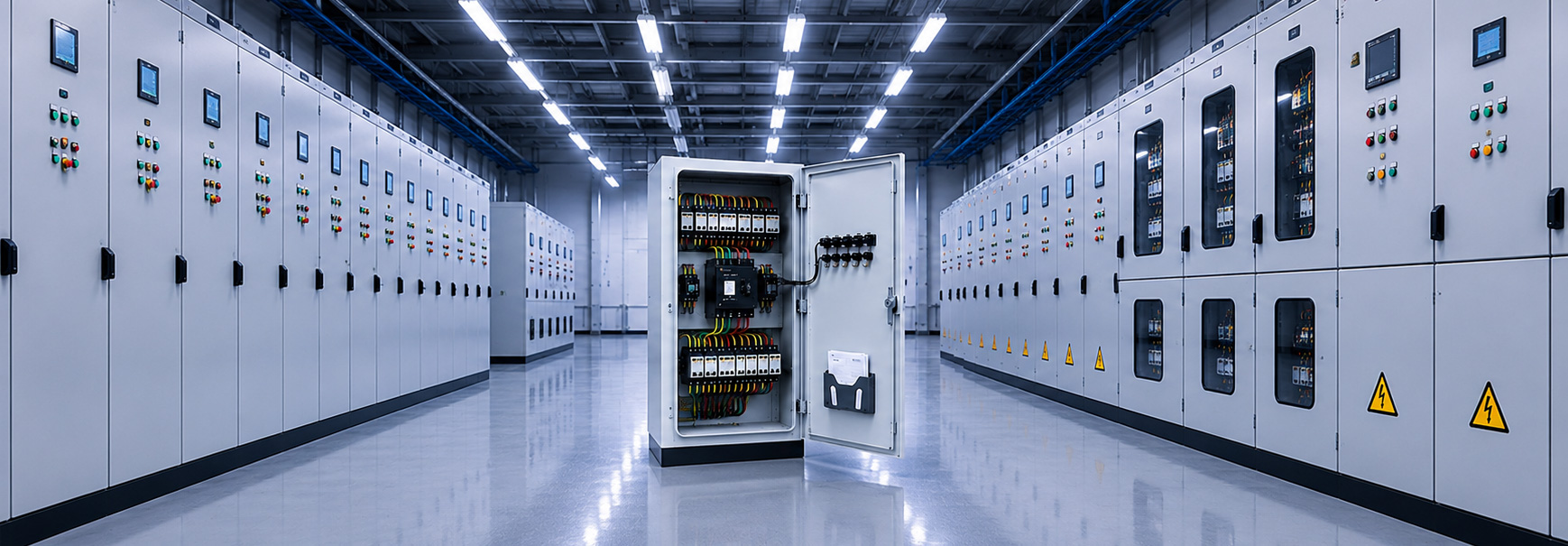
High and low voltage distribution cabinets are important equipment in power distribution systems. In order to ensure safe, stable, and long-term operation, regular maintenance should be carried out according to the operating condition of the equipment. Proper inspection and maintenance can help reduce hidden risks, improve equipment reliability, and support the safety of electrical systems.
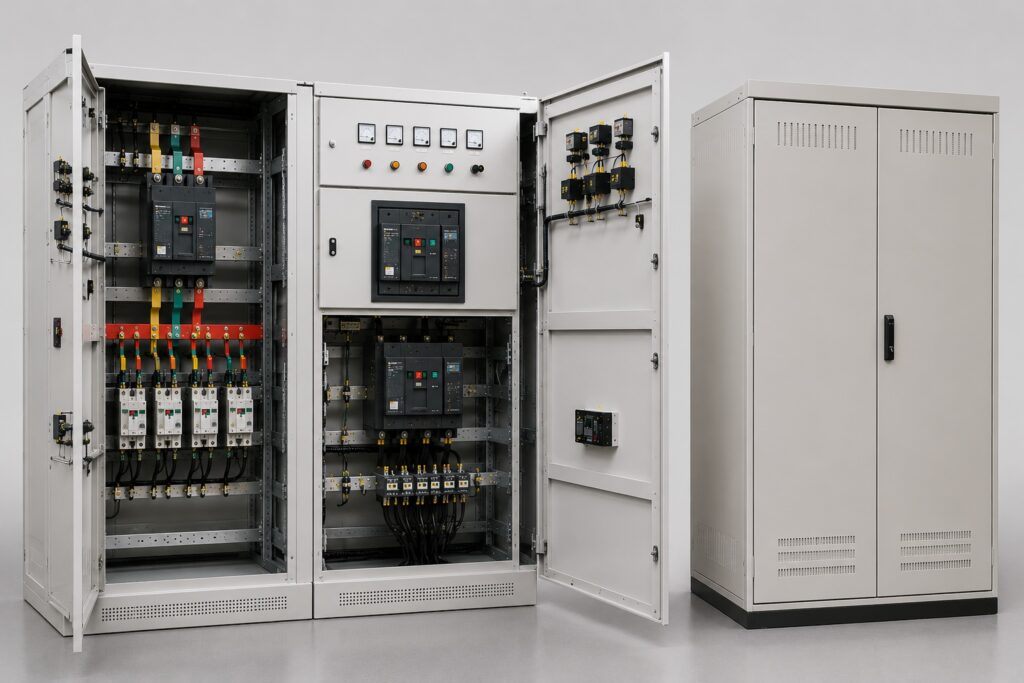
Daily Inspection of High and Low Voltage Distribution Cabinets
Daily inspection is an important part of distribution cabinet maintenance. Operators should regularly check whether there are signs of insects or rodents inside each cabinet and take preventive measures when necessary. Warning signs and maintenance signs should also be checked to ensure that they are placed in the correct positions.
Emergency tools and lighting equipment should be complete and in good working condition. Accessories such as operating handles and fuse handles should also be checked to ensure that they are available when needed.
The cable joints should be inspected for overheating or discoloration. In general, normal cable joints are usually metallic in appearance. Grounding wires should be checked for rust, and welding points should be inspected to confirm whether they are in normal condition.
Capacitor Cabinet and Cabinet Cleaning
For capacitor cabinets, the capacitor shell should be checked to confirm whether it is in good condition. Maintenance personnel should pay attention to leakage, swelling, or other abnormal conditions. Indicator lights should also be checked to make sure they are working properly.
The grounding connection of each capacitor shell should be inspected to ensure reliable contact. At the same time, dust cleaning should be carried out for each cabinet. Keeping the cabinet clean can help reduce the influence of dust on insulation performance and electrical safety.
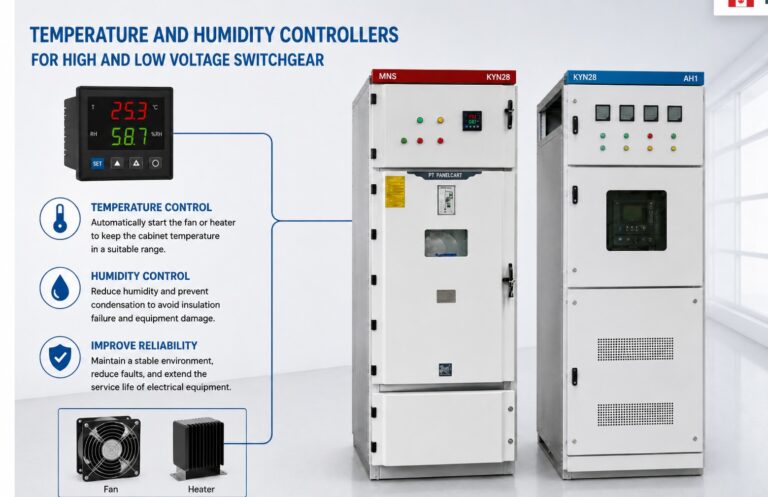
The working condition of the fans inside each cabinet should also be checked. Good ventilation is helpful for heat dissipation and stable operation of electrical components.
Primary Maintenance of High and Low Voltage Distribution Cabinets
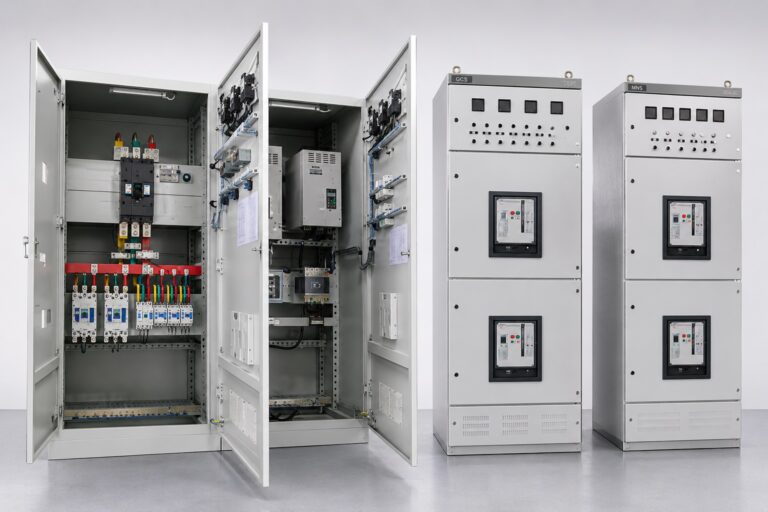
During primary maintenance, the busbar and its outgoing wires should be checked to confirm whether they are firmly connected. The secondary circuit wiring should also be inspected to ensure that the wiring is reliable, the fuse is intact, and the insulation resistance test is completed according to maintenance requirements.
For capacitor cabinets, after the air switch is disconnected and the capacitor is not energized, the capacitor controller can be tested. The switching sequence should be checked carefully. Overvoltage protection, undercurrent protection, and switching threshold values should be adjusted according to actual requirements.
All indicator lights should be in good condition. Circuit breakers, leakage switches, thermal relays, time relays, intermediate relays, multifunction meters, and other components should be inspected and adjusted when necessary.
The status of indicator lights, controller switch positions, and operating conditions should be checked. Manual commissioning should also be carried out to confirm whether the mechanical interlocking part can close reliably.
Fasteners of soft starters and frequency converters should be checked to ensure that there is no looseness. Loose fasteners may affect the normal operation of the equipment and should be tightened in time.
Secondary Maintenance of High and Low Voltage Distribution Cabinets
During secondary maintenance, the drawer-type switch should be checked to confirm whether it can be pushed in and pulled out flexibly. Its mechanical interlocking mechanism should be reliable, and the contactor contacts should be in good condition.
The elasticity of each contact blade inside the circuit breaker should be inspected, and the arc extinguishing device should be checked to confirm whether it is complete and reliable.
The wiring nuts of each cable terminal should be checked and tightened if necessary. Reliable cable connection is important for reducing overheating, poor contact, and electrical failure.
After disconnecting the main switches of the incoming cabinet and the connection cabinet, the equipment should be operated with a special handle. The operation should be flexible, and the secondary wiring terminals of transformers and related components should be checked to ensure good contact, firmness, and no looseness. Primary and secondary circuits should also be inspected to prevent moisture, mildew, or insulation problems.
Conclusion
Maintenance of high and low voltage distribution cabinets should include daily inspection, primary maintenance, and secondary maintenance. Regular inspection of cables, grounding, capacitors, fans, busbars, secondary circuits, circuit breakers, and mechanical interlocking parts can help improve the safety and reliability of power distribution equipment. A standardized maintenance process is important for reducing equipment failures and ensuring stable operation of electrical systems.