Hui Tuo Power

News
How to Evaluate an Electrical Equipment Supplier in China for Industrial Projects
Choosing an electrical equipment supplier in China is an important decision for overseas industrial buyers, engineering companies and project contractors. However, selecting a supplier should not be based only on product price…
How to Evaluate an Electrical Equipment Supplier in China for Industrial Projects
Choosing an electrical equipment supplier in China is an important decision for overseas industrial buyers, engineering companies and project contractors. However, selecting a supplier should not be based only on product price…
Industrial Automation Control Cabinet Selection Guide for Engineering Projects
Selecting an industrial automation control cabinet requires understanding the actual production process, control requirements and installation environment. For factories, engineering contractors and system integrators, choosing a suitable cabinet is not only about…
Solar Photovoltaic Combiner Box Buying Guide for PV Projects
A solar photovoltaic combiner box is an important component in photovoltaic power systems, but selecting the right product requires more than comparing product names or prices. For PV project developers, engineering companies…
How to Choose a Power Distribution Transformer Manufacturer for Industrial Applications
Choosing a power distribution transformer manufacturer is an important step for industrial facilities, construction projects and power distribution systems. However, transformer selection should not be based only on product price. The suitable…
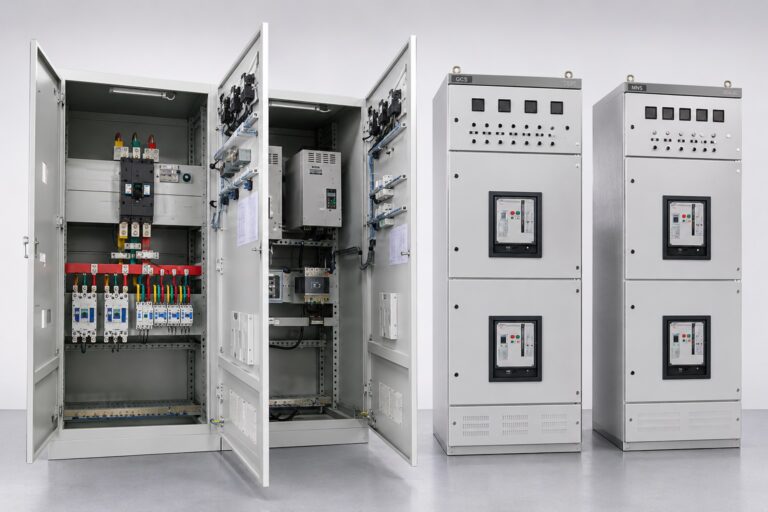
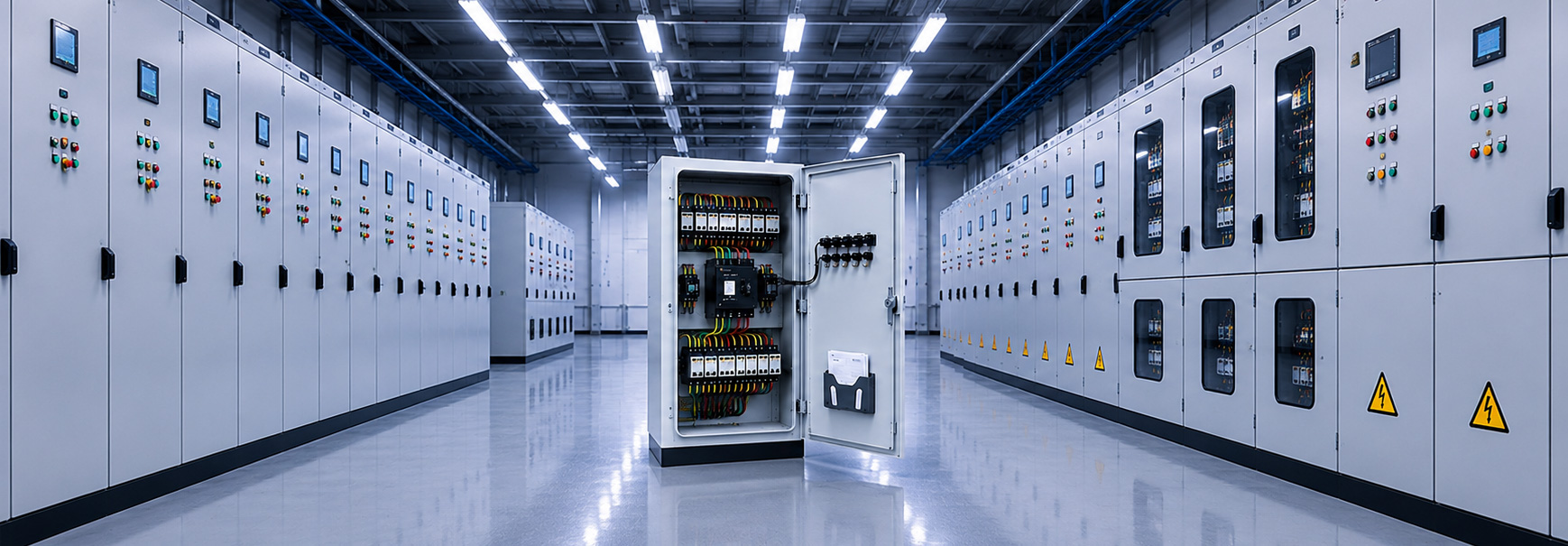
Electrical Equipment Supplier China Providing Reliable Power Solutions
Reliable electrical equipment is essential for modern industrial operations, construction projects, and power distribution systems. Our company focuses on providing professional electrical power and industrial automation solutions for customers with different project…
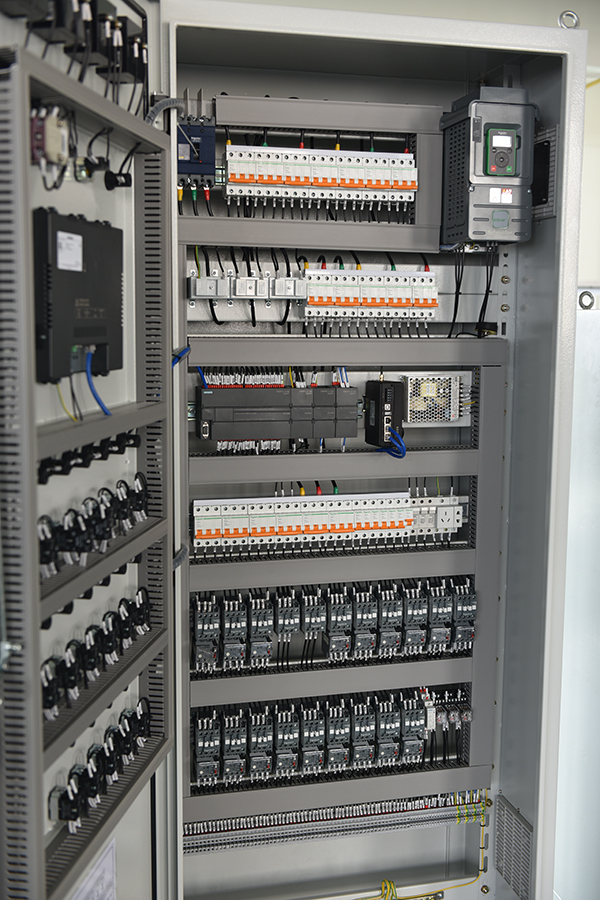
Industrial Automation Control Cabinets for Modern Manufacturing Systems
Industrial automation control cabinets play an important role in modern manufacturing and industrial control systems. They provide efficient control solutions for electrical equipment, production processes, and automated operations. Our company specializes in…
Solar Photovoltaic Combiner Boxes Supporting Efficient PV Power Systems
Solar photovoltaic combiner boxes are important components in photovoltaic power generation systems. They help integrate multiple solar inputs and improve the safety and management efficiency of PV installations. Our company specializes in…
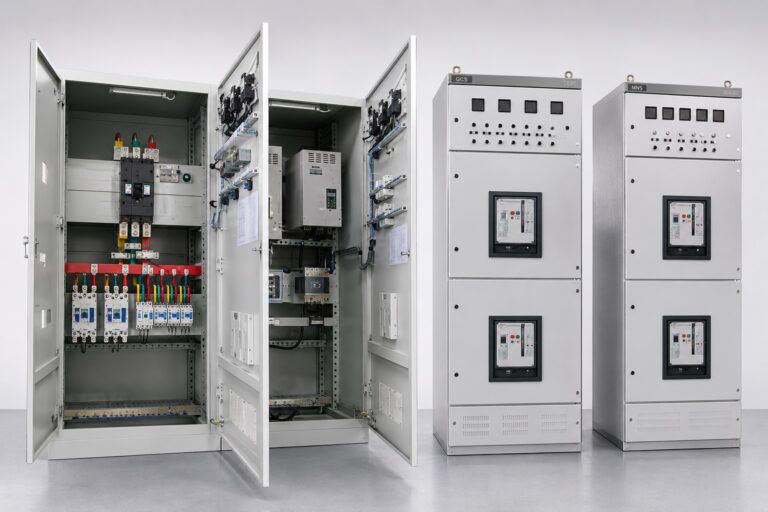
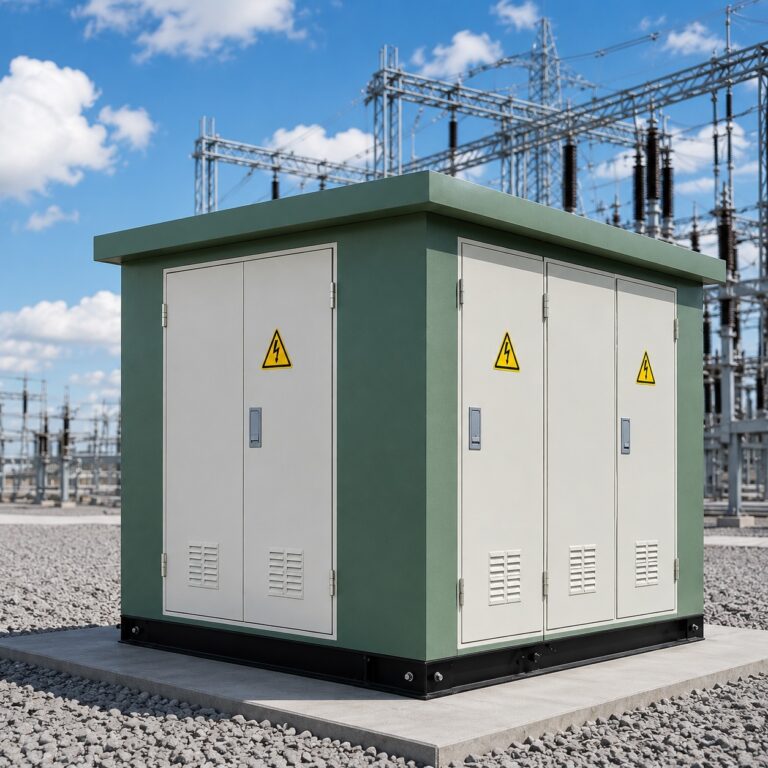
Power Distribution Transformer Manufacturer Delivering Stable Electrical Solutions
Power distribution transformers are essential equipment in electrical systems, providing reliable voltage conversion and supporting stable power supply for different applications. Our company focuses on electrical power and industrial automation solutions, offering…
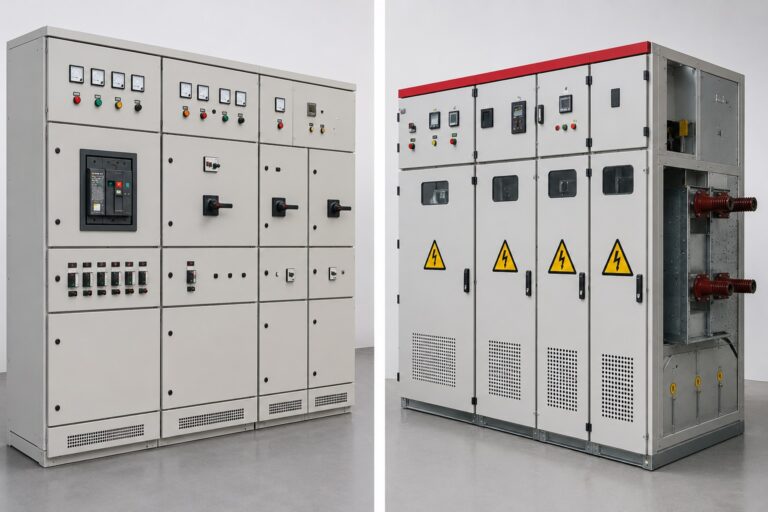
What Is the Difference Between Low Voltage Distribution Cabinets and High Voltage Distribution Cabinets?
Low voltage distribution cabinets and high voltage distribution cabinets are both important power distribution equipment, but they are different in voltage level, application range, function, and system position. Understanding these differences helps users select suitable equipment for different power distribution projects.
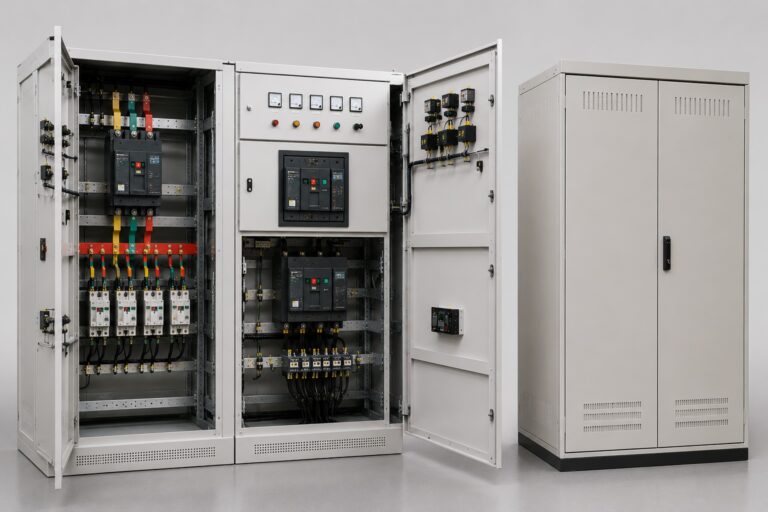
Maintenance Methods for High and Low Voltage Distribution Cabinets
Regular maintenance of high and low voltage distribution cabinets is important for safe and stable operation. Routine inspection, dust cleaning, cable connection checks, fan inspection, capacitor cabinet maintenance, and secondary circuit testing can help reduce equipment faults and improve reliability.
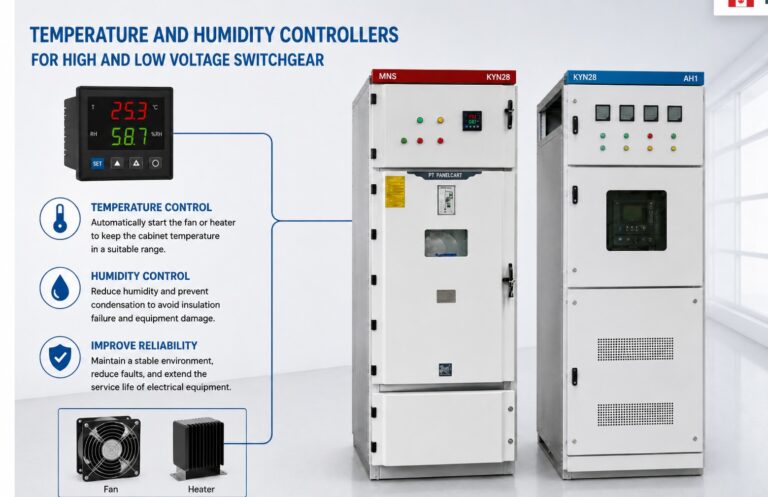
Why Temperature and Humidity Controllers Are Used in High and Low Voltage Switchgear
Temperature and humidity controllers help high and low voltage switchgear maintain a suitable operating environment. They can reduce risks caused by high temperature, excessive humidity, low temperature, condensation, and dust accumulation, supporting safer and more stable equipment operation.