PV Combiner Box Manufacturer: How to Choose the Right Solar Combiner Box for Your PV System
Solar photovoltaic systems are becoming an important part of the global energy infrastructure.
Whether a project involves a commercial rooftop installation, an industrial solar power system, or a large-scale photovoltaic power plant, electrical protection and circuit management are essential.
A PV combiner box is an important electrical component used in many solar PV system configurations. It collects outputs from multiple photovoltaic strings and combines them into a common DC output circuit.
For solar EPC contractors, photovoltaic equipment distributors, and project developers, choosing the right PV combiner box manufacturer is important for system compatibility and long-term operation.
In this article, we explain how solar combiner boxes work, their main components, and how to select a suitable product for your photovoltaic project.


1. What Is a PV Combiner Box?
A PV combiner box is an electrical enclosure installed between photovoltaic strings and downstream equipment such as a solar inverter.
In a typical solar PV system, multiple solar panel strings generate DC electricity.
Instead of routing every string separately over long distances, a combiner box brings multiple string outputs together into a common DC circuit.
Depending on the design, the box may also incorporate electrical protection and isolation components.
Its main purposes include:
- Combining multiple PV string outputs.
- Providing string-level overcurrent protection where required.
- Supporting DC circuit isolation.
- Providing surge protection where specified.
- Organizing electrical connections.
- Simplifying system installation and maintenance.
The exact functions depend on the system design and product configuration.
2. Main Components of a Solar Combiner Box
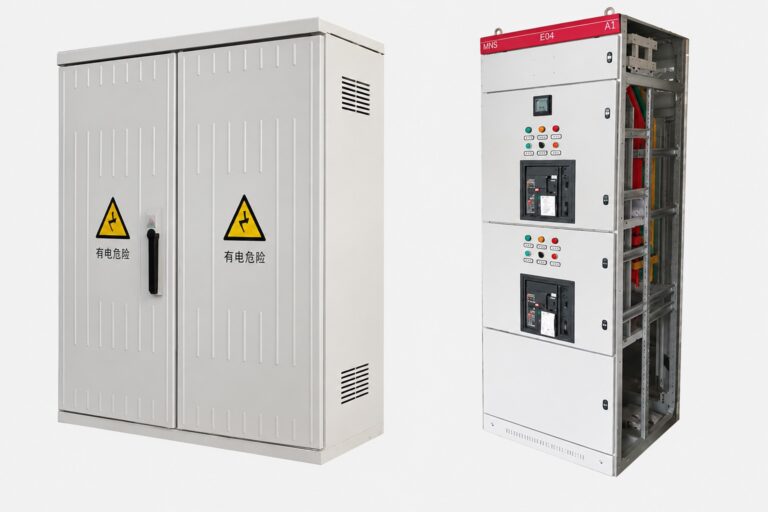
A solar combiner box may contain several electrical components.
DC Fuse Holders and Fuses
DC fuses can provide overcurrent protection for photovoltaic strings where required by the system design.
Their ratings must be selected according to the module specifications, string current, and applicable electrical requirements.
DC Circuit Breaker or Isolator
A DC switching or isolation device may be installed to support safe operation and maintenance.
The device must be suitable for the system’s DC voltage and current.
Surge Protection Device
A DC surge protection device can help protect downstream equipment against transient overvoltage events.
The protection device must be coordinated with the system voltage, grounding arrangement, and lightning protection strategy.
Enclosure
The enclosure protects internal electrical components from environmental exposure.
Material and protection level should be selected according to the installation location and environmental conditions.
Electrical Terminals and Connectors
Suitable terminals and connectors help ensure secure electrical connections and simplify installation.
3. How to Choose the Right PV Combiner Box
Choosing a suitable solar combiner box requires careful evaluation of the photovoltaic system design.
System DC Voltage
The maximum DC voltage rating of the combiner box must be compatible with the PV system.
Buyers should verify the maximum open-circuit voltage under the lowest expected operating temperature.
Common system voltage levels vary by project, including 1000V DC and 1500V DC applications.
The correct selection must be based on the system design.
Number of PV Strings
The combiner box must support the required number of incoming PV strings.
Common configurations vary depending on project size and system architecture.
The number of inputs should be determined before equipment selection.
Rated Current
The current ratings of fuses, terminals, switches, and other components must be compatible with the PV string current and design requirements.
Protection Requirements
Buyers should consider whether the project requires string fuses, surge protection, DC isolation, monitoring, or additional protective functions.
Not every configuration is identical.
Installation Environment
Outdoor solar installations may expose equipment to sunlight, rain, dust, temperature changes, and humidity.
The enclosure material and ingress protection rating should be selected according to the actual environment and applicable standards.
4. Common Applications of PV Combiner Boxes
PV combiner boxes are used in various photovoltaic installations.
Commercial Rooftop Solar Systems
Commercial buildings often install multiple PV strings across large roof areas.
A combiner box can help organize string connections and simplify DC circuit management.
Industrial Solar Power Projects
Factories and industrial facilities may use rooftop or ground-mounted photovoltaic systems to support on-site electricity generation.
Utility-Scale Solar Power Plants
Large solar power plants often require multiple combiner boxes to organize photovoltaic string outputs according to the overall electrical system design.
Distributed Solar Projects
Distributed PV systems may use combiner boxes to simplify connections between solar modules and inverter equipment.
5. What Should Buyers Check Before Ordering?
Before purchasing a PV combiner box, international buyers should prepare the following information:
- Maximum DC system voltage.
- Number of PV string inputs.
- Rated input and output current.
- Fuse and circuit breaker requirements.
- Surge protection requirements.
- Enclosure material and IP rating.
- Cable entry and terminal requirements.
- Monitoring or communication requirements, if applicable.
- Installation location and environmental conditions.
- Destination market and applicable standards.
Providing these details helps the manufacturer recommend a suitable configuration.
6. Huituo Power: Photovoltaic Combiner Box Solutions
Huituo Power provides photovoltaic combiner boxes as part of its electrical and new energy equipment portfolio.
Based in Hefei, China, Huituo specializes in power distribution equipment, PV combiner boxes, and customized industrial automation solutions.
We support project-based product configuration according to customer requirements and application conditions.
Whether you are sourcing photovoltaic electrical equipment for a commercial rooftop project, industrial solar installation, or solar power station, our team can discuss the required specifications and product configuration.
Frequently Asked Questions
Q1: What does a PV combiner box do?
A PV combiner box collects DC outputs from multiple photovoltaic strings and combines them into a common output circuit. Depending on its configuration, it can also provide protection and isolation functions.
Q2: Is a PV combiner box necessary for every solar system?
Not necessarily. Its use depends on the number of PV strings, inverter design, system architecture, and electrical layout.
Q3: What is the difference between a DC combiner box and an AC combiner box?
A DC combiner box combines photovoltaic string outputs before the inverter. An AC combiner box combines AC circuits downstream of inverters.
Q4: Can a solar combiner box be customized?
Yes. The number of string inputs, voltage and current ratings, protection components, enclosure design, and monitoring functions can be configured according to project requirements.
Q5: What information is required to request a quotation?
Buyers should provide the system voltage, string quantity, current requirements, protection configuration, enclosure requirements, and installation environment.
Conclusion
A properly selected PV combiner box helps organize photovoltaic string connections and supports electrical protection in solar power systems.
Before ordering, buyers should carefully check system voltage, input quantity, rated current, protection requirements, and environmental conditions.
Huituo Power provides photovoltaic combiner box solutions and customized electrical equipment support.
Contact Huituo Power today to discuss your solar combiner box requirements and request a quotation for your PV project.