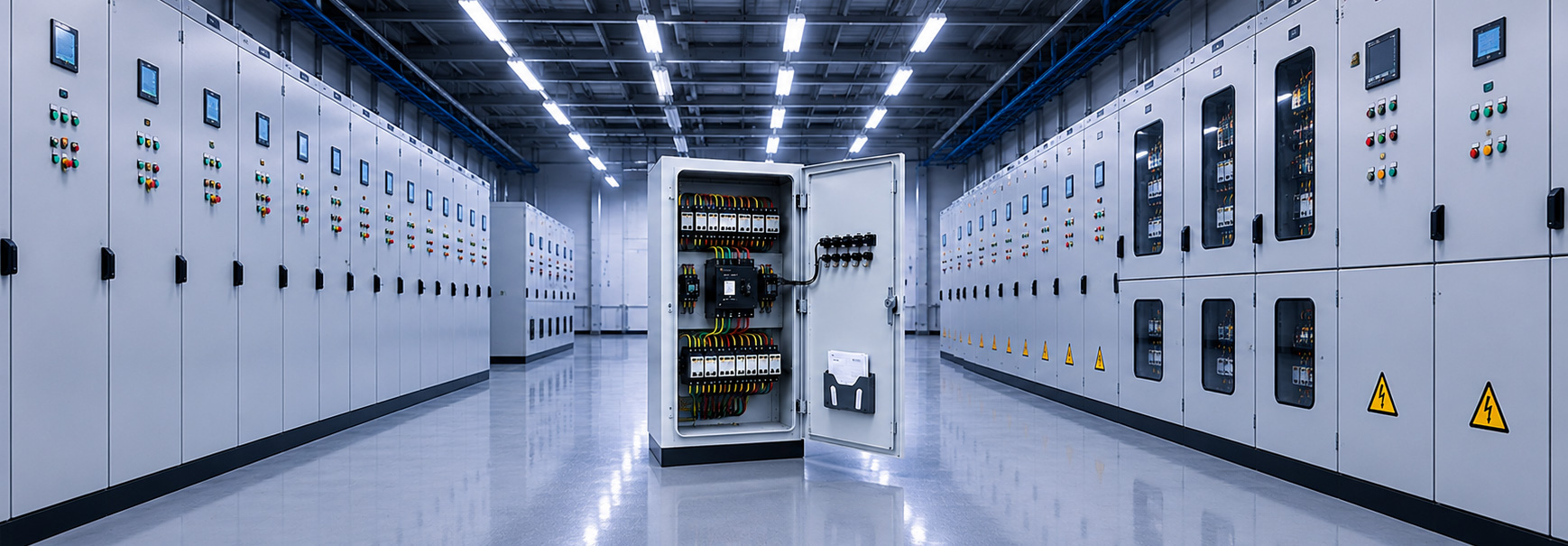
PLC Control Cabinet Manufacturer: A Complete Guide to Industrial Automation Control Panels
Industrial automation plays an increasingly important role in modern manufacturing, water treatment, energy management, and infrastructure systems.
At the center of many automated processes is the PLC control cabinet, which houses programmable logic controllers, electrical components, control devices, and protection equipment.
A properly designed PLC control cabinet helps coordinate machinery, monitor operating conditions, execute control logic, and improve the efficiency of industrial operations.
For industrial equipment buyers and engineering contractors, choosing the right PLC control cabinet manufacturer is essential to ensuring that the control system meets the actual requirements of the application.
This article explains the working principles, applications, important components, and purchasing considerations of customized PLC control cabinets.
1. What Is a PLC Control Cabinet?
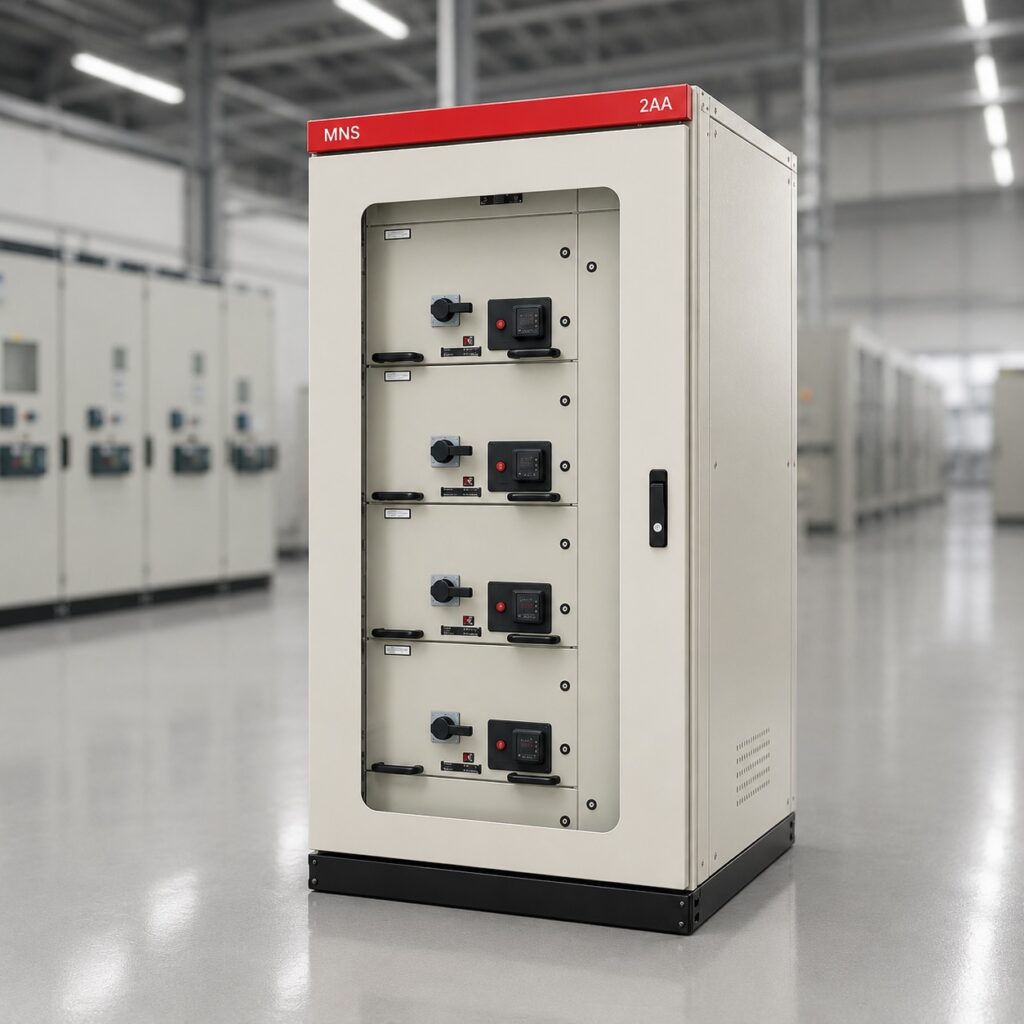
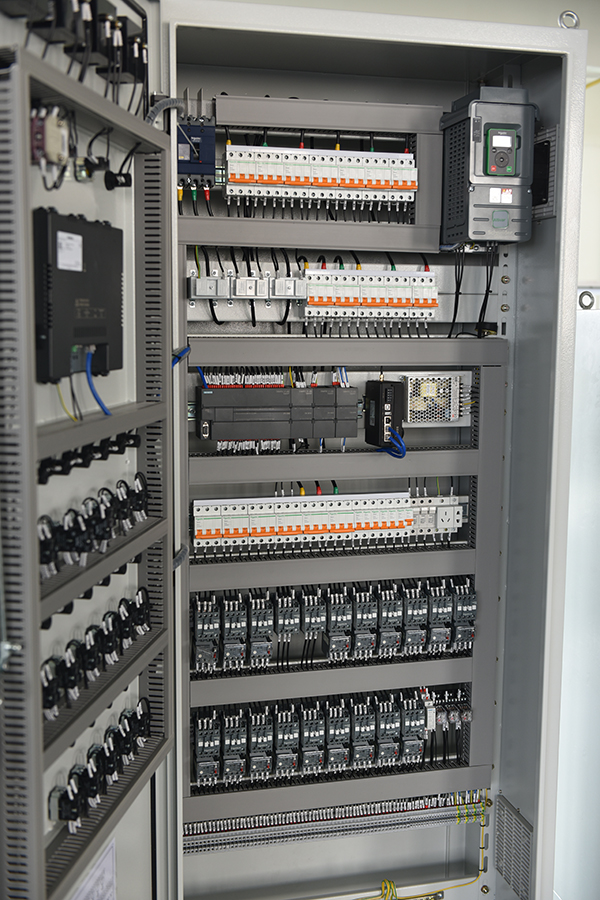
A PLC control cabinet is an electrical enclosure that contains a programmable logic controller and associated electrical components.
The PLC receives signals from field devices such as sensors, switches, and transmitters. It processes these signals according to programmed logic and sends commands to output devices such as motors, valves, pumps, and actuators.
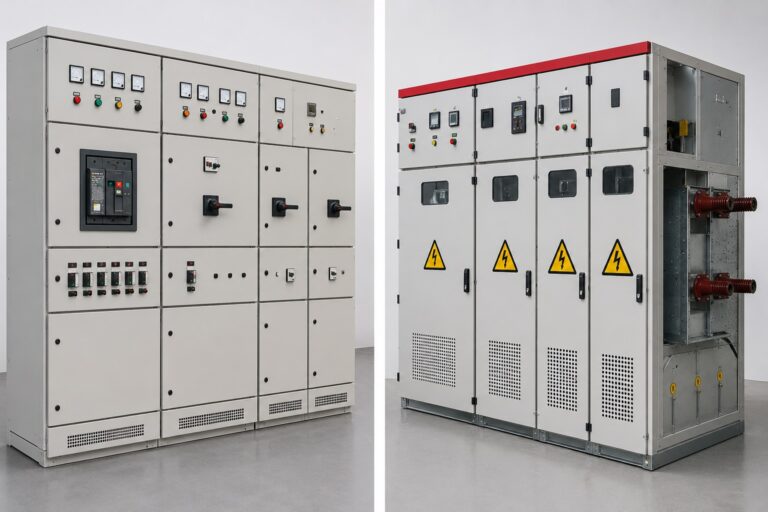
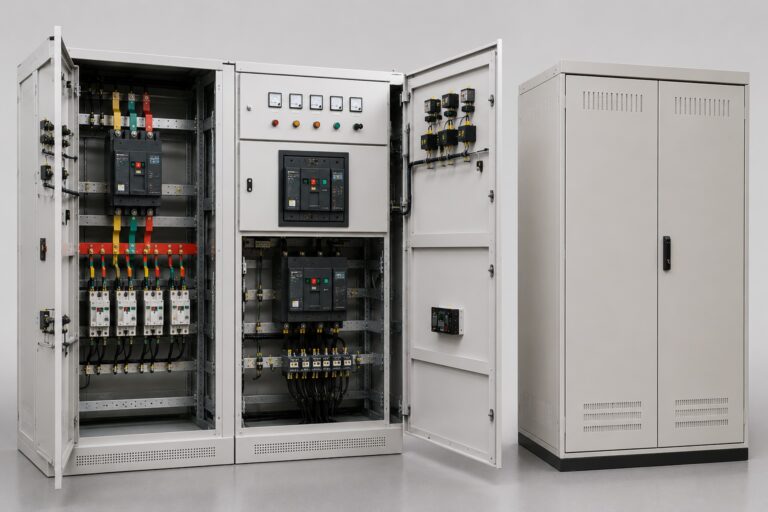
A typical PLC control cabinet may include:
- Programmable Logic Controller (PLC).
- Circuit breakers and protective devices.
- Switching power supplies.
- Relays and contactors.
- Terminal blocks.
- Human Machine Interface (HMI).
- Communication modules.
- Cooling and ventilation components.
The exact configuration depends on the control requirements and complexity of the industrial process.
2. Common Applications of PLC Control Cabinets
PLC control cabinets are used in a wide range of industrial applications.
Manufacturing Automation
Production lines require coordinated operation of motors, conveyors, sensors, and machinery.
PLC control cabinets help automate equipment sequences and improve process consistency.
Water Treatment Systems
Water treatment facilities use PLC systems to control pumps, valves, water levels, and other process equipment.
Automated control can help operators monitor equipment status and manage different operating conditions.
Wastewater Treatment Plants
Wastewater treatment processes involve multiple pumps, motors, tanks, and treatment stages.
A customized PLC control cabinet can coordinate these components according to the required process logic.
Building and Infrastructure Systems
PLC control panels can also be used in building equipment, mechanical systems, and infrastructure projects requiring automated operation.
3. PLC Control Cabinet vs. VFD Control Cabinet
Although PLC control cabinets and VFD control cabinets are closely related, they serve different primary functions.
A PLC control cabinet mainly handles logic control, signal processing, automation sequences, and system communication.
A VFD control cabinet primarily uses variable frequency drives to regulate motor speed and operating performance.
Some industrial applications combine PLCs and VFDs in one integrated control cabinet.
For example, a water supply system may use a PLC to monitor pressure sensors and control logic while VFDs regulate the speed of water pumps.
The final design depends on the required control strategy and equipment configuration.
4. Key Factors When Choosing a PLC Control Cabinet Manufacturer
Selecting the right supplier involves more than comparing product prices.
Control System Requirements
Before requesting a quotation, define the control logic, number of input and output points, communication requirements, and connected equipment.
These details help determine the required PLC model and cabinet configuration.
Electrical Component Selection
The PLC, circuit breakers, relays, contactors, and other components should be selected according to the electrical design and operating conditions.
Component compatibility is important for reliable system operation.
Cabinet Material and Protection
Cabinet materials may include coated cold-rolled steel or stainless steel, depending on the installation environment.
The required enclosure protection rating should be determined by exposure to dust, moisture, water, and other environmental conditions.
Wiring and Layout
A well-organized internal layout helps simplify maintenance, troubleshooting, and future modifications.
Power wiring and control wiring should be arranged according to the electrical design and applicable requirements.
Customization Capability
Different industrial applications require different cabinet dimensions, control functions, component arrangements, and operating interfaces.
A manufacturer with customization capabilities can provide a solution based on actual project drawings and technical specifications.
5. Why Choose a Customized PLC Control Cabinet?
Standard control panels may not meet the specific requirements of every industrial project.
Customized PLC control cabinets can be designed around:
- The number of machines and motors.
- PLC input and output requirements.
- Communication protocols.
- Control voltage.
- Cabinet dimensions and material.
- Installation environment.
- Operating and monitoring requirements.
Customized design can help reduce unnecessary components and improve the integration between the control cabinet and the customer’s equipment.
6. Huituo Power: Customized Industrial Automation Solutions
Huituo Power specializes in customized industrial automation control cabinets and power distribution equipment.
Our product range includes customized PLC control cabinets, VFD control cabinets, and water pump control panels.
We provide project-based configuration support according to electrical drawings, motor power, control requirements, cabinet dimensions, and installation conditions.
For customers working on manufacturing automation, water supply, wastewater treatment, and industrial equipment projects, we can discuss suitable control cabinet configurations.
Our goal is to provide practical electrical and automation solutions that match the actual needs of each project.
Frequently Asked Questions
Q1: What is the difference between a PLC and a PLC control cabinet?
A PLC is the programmable controller itself. A PLC control cabinet is the complete enclosure containing the PLC and related electrical components.
Q2: Can PLC control cabinets be customized?
Yes. PLC models, input and output points, cabinet dimensions, electrical components, communication functions, and control logic can be configured according to project requirements.
Q3: Can a PLC control cabinet control multiple motors?
Yes. A properly designed control system can manage multiple motors. The number of motors and required control functions depend on the electrical design.
Q4: Can a PLC cabinet work with VFDs?
Yes. PLCs can communicate with or control VFDs through suitable hardwired signals or supported communication interfaces.
Q5: What information is needed for a PLC control cabinet quotation?
Please provide the electrical drawings, control requirements, number of motors, motor power, input and output requirements, operating voltage, cabinet dimensions, and installation environment.
Conclusion
A reliable PLC control cabinet is an important part of an efficient industrial automation system.
Choosing an experienced PLC control cabinet manufacturer helps ensure that the electrical configuration, control logic, and cabinet design match your application requirements.
Huituo Power offers customized PLC and VFD control cabinet solutions for industrial automation projects.