Prefabricated Substation Manufacturer: How to Choose the Right Substation for Industrial Projects
Modern industrial and infrastructure projects require reliable electrical power distribution systems.
From manufacturing facilities and commercial developments to renewable energy installations and municipal infrastructure, electrical substations play an important role in connecting power sources with end users.
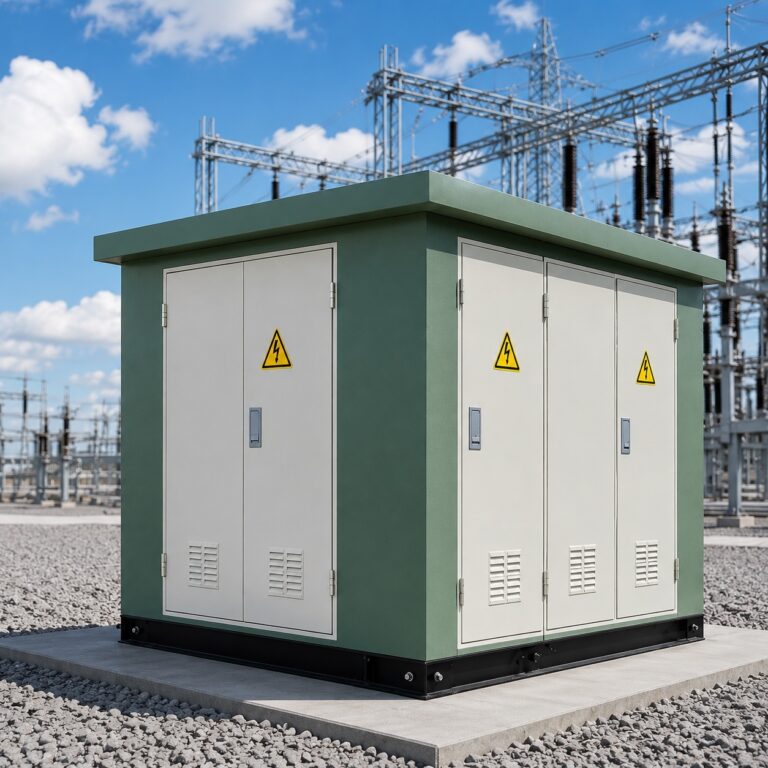
A prefabricated substation is an integrated electrical solution that combines different power distribution components within a factory-assembled enclosure or modular structure.
Compared with conventional site-built arrangements, prefabricated designs can help simplify equipment integration, transportation planning, and on-site installation.
For EPC contractors, electrical engineering companies, distributors, and industrial project developers, selecting the right prefabricated substation manufacturer is an important part of project planning.
This guide explains the main components, applications, and selection considerations for prefabricated substations.


1. What Is a Prefabricated Substation?
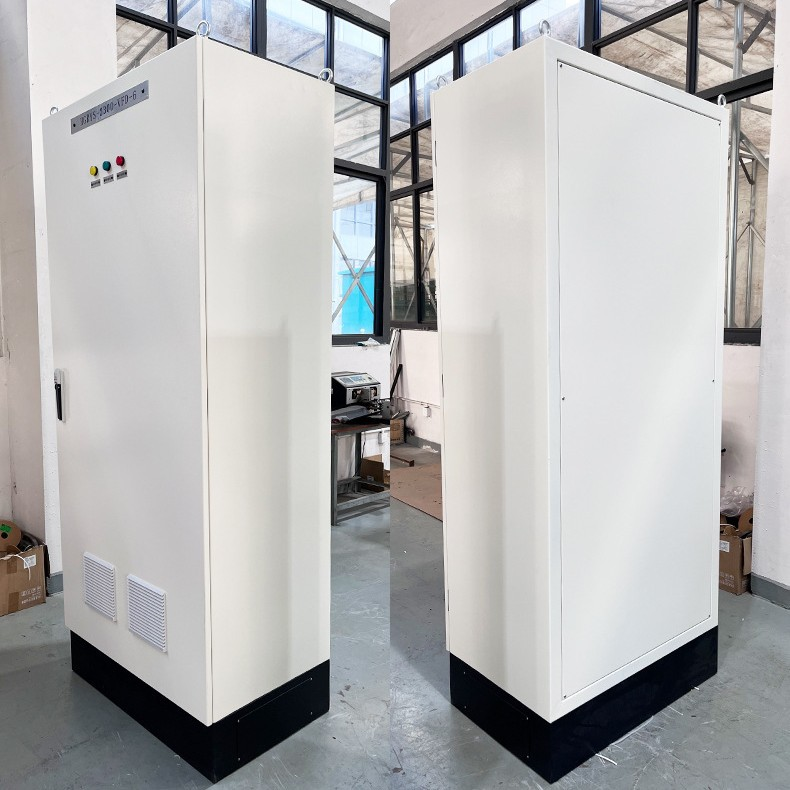
A prefabricated substation is an integrated substation assembly designed to accommodate electrical equipment within a coordinated enclosure or modular structure.
Depending on the project design, it may include:
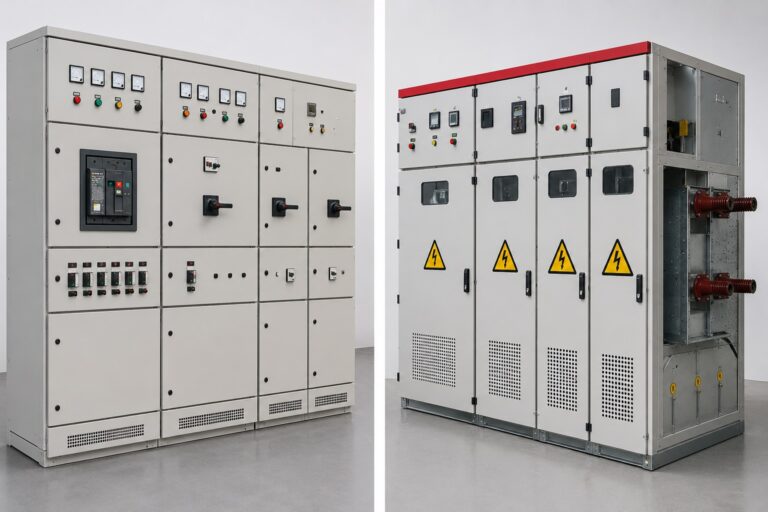
- Medium voltage switchgear.
- Distribution transformer.
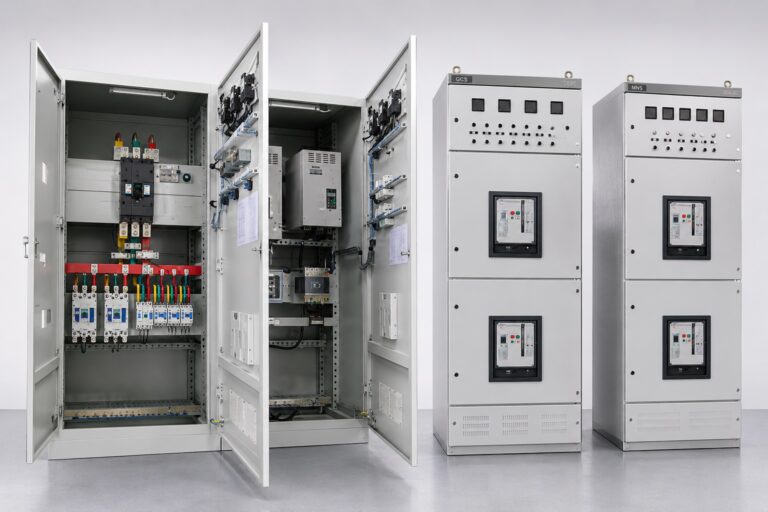
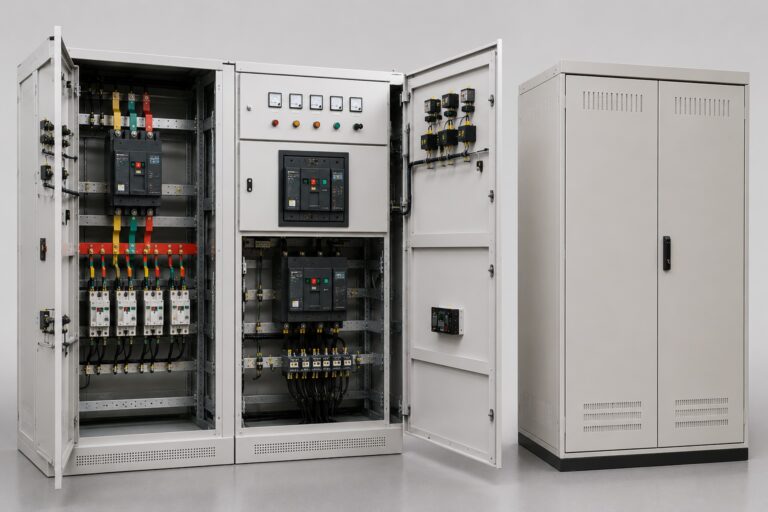
- Low voltage distribution equipment.
- Protection and control devices.
- Metering equipment.
- Internal electrical connections.
- Enclosure and ventilation systems.
The specific equipment arrangement depends on the electrical design, rated capacity, voltage levels, and project requirements.
Prefabricated substations are often referred to as compact substations or package substations, although exact product definitions and configurations can vary.
2. Main Advantages of Prefabricated Substations
Integrated Equipment Design
A prefabricated substation brings different electrical components together in one coordinated system.
This helps engineers plan the relationship between medium voltage distribution, transformer equipment, and low voltage power distribution.
Reduced On-Site Installation Work
Because major equipment and internal connections can be prepared before delivery, certain installation activities can be simplified.
Actual installation time depends on the site conditions, foundation preparation, cable connections, and commissioning requirements.
Efficient Space Utilization
Compact substation designs can be suitable for projects where installation space is limited.
The final dimensions should be determined according to equipment ratings, operating clearances, ventilation, and maintenance requirements.
Flexible Project Configuration
Different industrial and commercial projects have different power requirements.
Prefabricated substations can be configured according to voltage levels, transformer capacity, distribution arrangements, enclosure requirements, and environmental conditions.
3. Common Applications of Prefabricated Substations
Industrial Manufacturing Plants
Industrial facilities require electrical power for production equipment, motors, HVAC systems, and auxiliary facilities.
A prefabricated substation can provide an integrated power distribution arrangement for industrial projects.
Commercial Complexes
Shopping centers, office developments, and large commercial properties require coordinated power distribution equipment.
Compact substations can help organize electrical infrastructure within designated equipment areas.
Renewable Energy Projects
Solar and other renewable energy installations may require substation equipment to connect generation facilities with distribution networks.
The configuration should be designed according to the generation capacity and grid connection requirements.
Infrastructure and Municipal Projects
Public infrastructure, transportation facilities, and municipal projects may require prefabricated electrical substations for reliable power distribution.
Construction Projects
Temporary or permanent construction facilities may require compact electrical distribution solutions depending on their power requirements and site conditions.
4. How to Choose a Prefabricated Substation Manufacturer
Choosing the right manufacturer requires careful review of both technical and project-related factors.
Rated Capacity and Transformer Requirements
The transformer capacity must be selected according to the project’s electrical load, demand profile, future expansion plans, and applicable engineering requirements.
Buyers should provide the required capacity and load information when requesting a quotation.
High Voltage and Low Voltage Configuration
The medium voltage and low voltage equipment should match the electrical system design.
The number of incoming and outgoing circuits, protection arrangements, switching devices, and metering functions must be confirmed.
Enclosure Design
The enclosure must be suitable for the installation environment.
Important considerations include:
- Indoor or outdoor installation.
- Ambient temperature.
- Humidity and rainfall.
- Dust and pollution.
- Corrosion exposure.
- Ventilation and heat dissipation.
- Maintenance access.
Transportation and Installation
Prefabricated substations may be large and heavy.
Buyers should confirm overall dimensions, lifting arrangements, transportation restrictions, packaging, and foundation requirements before ordering.
Standards and Inspection
The manufacturer should clarify which standards apply to the selected equipment and provide relevant technical documentation.
Depending on the product scope, buyers may request routine inspection records, test reports, and supporting certification documents.
5. What Information Is Required for a Substation Quotation?
To improve quotation accuracy, buyers should prepare:
- Project location and application.
- Primary voltage level.
- Secondary voltage level.
- Required transformer capacity.
- Medium voltage switchgear configuration.
- Low voltage distribution requirements.
- Number of incoming and outgoing circuits.
- Indoor or outdoor installation conditions.
- Enclosure material and protection requirements.
- Applicable local standards.
- Transportation and installation requirements.
The more detailed the technical information, the easier it is to develop a suitable equipment proposal.
6. Huituo Power: Prefabricated Substation Solutions
Huituo Power provides power distribution equipment and customized electrical solutions for industrial and infrastructure projects.
Our product portfolio includes the HZB-12 Prefabricated High and Low Voltage Substation for industrial power distribution.
We support project-based configuration discussions according to rated voltage, electrical capacity, switchgear arrangement, installation environment, and customer requirements.
As an electrical equipment supplier based in Hefei, China, Huituo Power focuses on high and low voltage distribution equipment, photovoltaic combiner boxes, and industrial automation solutions.
We aim to help international buyers find suitable electrical equipment configurations for their engineering and power distribution projects.
Frequently Asked Questions
Q1: What is a prefabricated substation?
A prefabricated substation is an integrated electrical assembly that combines medium voltage, transformer, and low voltage equipment within a coordinated enclosure or modular structure, depending on the design.
Q2: What is the difference between a compact substation and a conventional substation?
A compact substation integrates major electrical equipment into a coordinated structure, while conventional substations may use separately installed equipment across a larger site.
The most suitable option depends on project scale, installation space, and electrical design requirements.
Q3: Can a prefabricated substation be customized?
Yes. Voltage levels, transformer capacity, switchgear arrangements, low voltage circuits, enclosure design, and other technical parameters can be discussed according to project requirements.
Q4: Are prefabricated substations suitable for outdoor installation?
Some prefabricated substations are designed for outdoor installation. The enclosure, ventilation, protection level, and materials must be selected according to the actual environmental conditions.
Q5: How long does it take to manufacture a prefabricated substation?
Production lead time depends on the equipment configuration, component availability, customization requirements, and order quantity. Buyers should confirm the schedule with the manufacturer before placing an order.
Conclusion
Prefabricated substations provide an integrated approach to electrical power distribution for industrial, commercial, renewable energy, and infrastructure projects.
When choosing a prefabricated substation manufacturer, buyers should carefully evaluate transformer capacity, voltage configuration, switchgear arrangements, enclosure design, applicable standards, and transportation requirements.
Huituo Power provides prefabricated substation and power distribution equipment solutions with project-based customization support.
Contact Huituo Power today to discuss your prefabricated substation project and request a customized quotation.