Hui Tuo Power

Methods to Reduce the Probability of Temperature Rise Failures in High and Low Voltage Switchgear
Methods to Reduce the Probability of Temperature Rise Failures in High and Low Voltage Switchgear
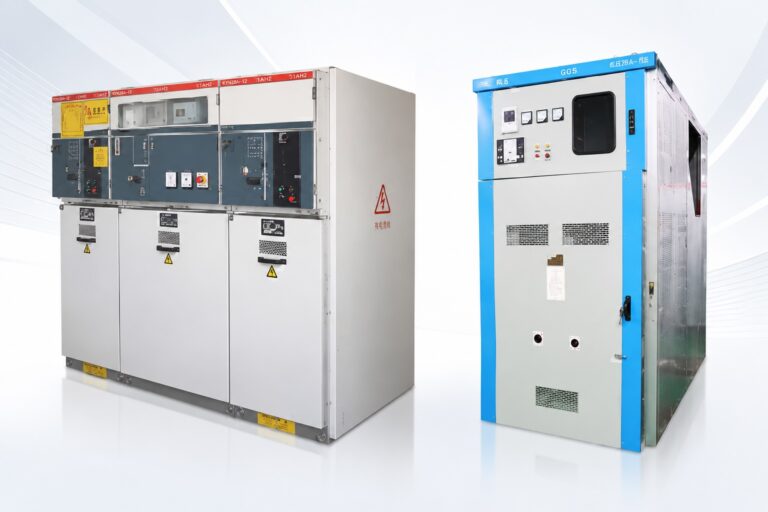
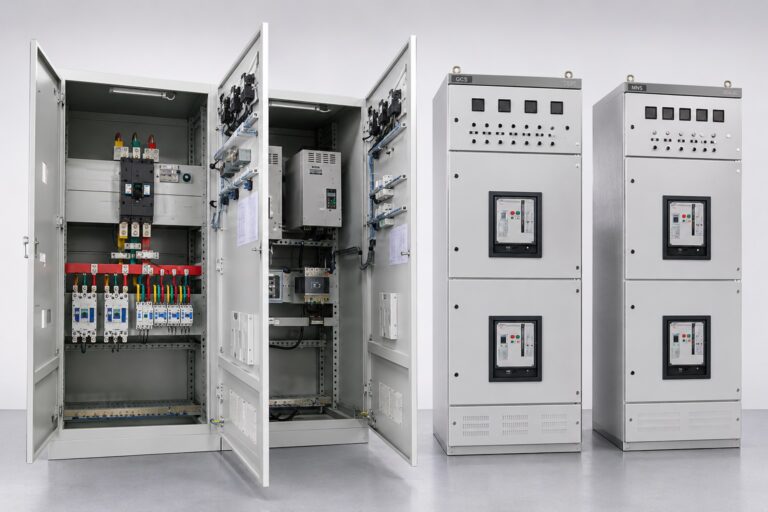
High and low voltage switchgear is an important type of power distribution equipment and plays an essential role in electrical systems. During the operation of complete high and low voltage switchgear, different types of faults may occur. One common issue is equipment failure caused by excessive temperature rise inside the cabinet.
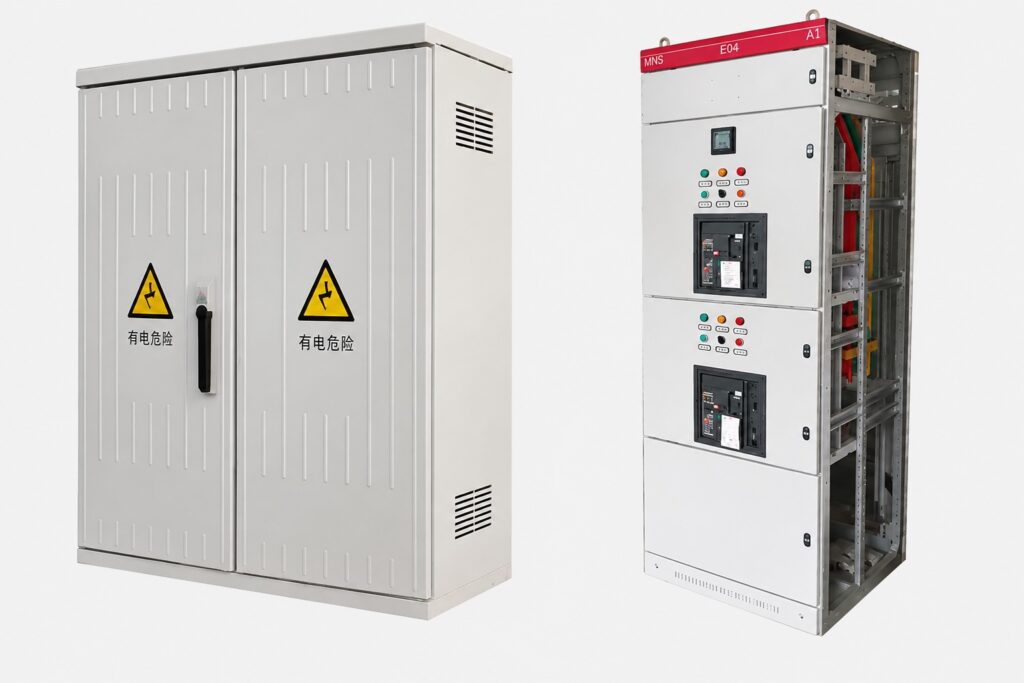
The temperature rise of high and low voltage switchgear should be taken seriously. As the demand for switchgear in power systems continues to increase, its stable operation directly affects the quality and safety of electricity use. Because heat dissipation of internal components can be difficult, temperature control is an important factor for reliable operation.
To reduce the probability of temperature rise failures in high and low voltage switchgear, the following aspects can be considered:
1. Use Simulation Analysis Tools
During the design stage, simulation analysis software can be used as an auxiliary tool for temperature rise evaluation. It helps analyze heat distribution inside the cabinet and provides a reference for structural optimization and ventilation design.
2. Apply Online Temperature Monitoring
The development and use of an online temperature monitoring system can effectively reduce the probability of temperature rise failures. Real-time monitoring helps detect abnormal temperature changes in time and supports safer and more stable power usage.
3. Strengthen Operation and Maintenance
During daily operation and maintenance, the condition of internal components should be checked regularly. If abnormal heating, aging components, poor contact, dust accumulation, or ventilation problems are found, the operating conditions should be improved in time.
4. Improve Heat Dissipation Performance
Controlling the overall heat generation of the switchgear and improving the heat dissipation capacity of the cabinet are important measures. Proper cabinet structure, ventilation design, component layout, and maintenance management can help support long-term stable operation.
Conclusion
Temperature rise control is closely related to the safety and reliability of high and low voltage switchgear. Through reasonable design, monitoring systems, regular maintenance, and improved heat dissipation, the probability of temperature-related failures can be reduced, helping users maintain safer and more stable power distribution systems.