Hui Tuo Power

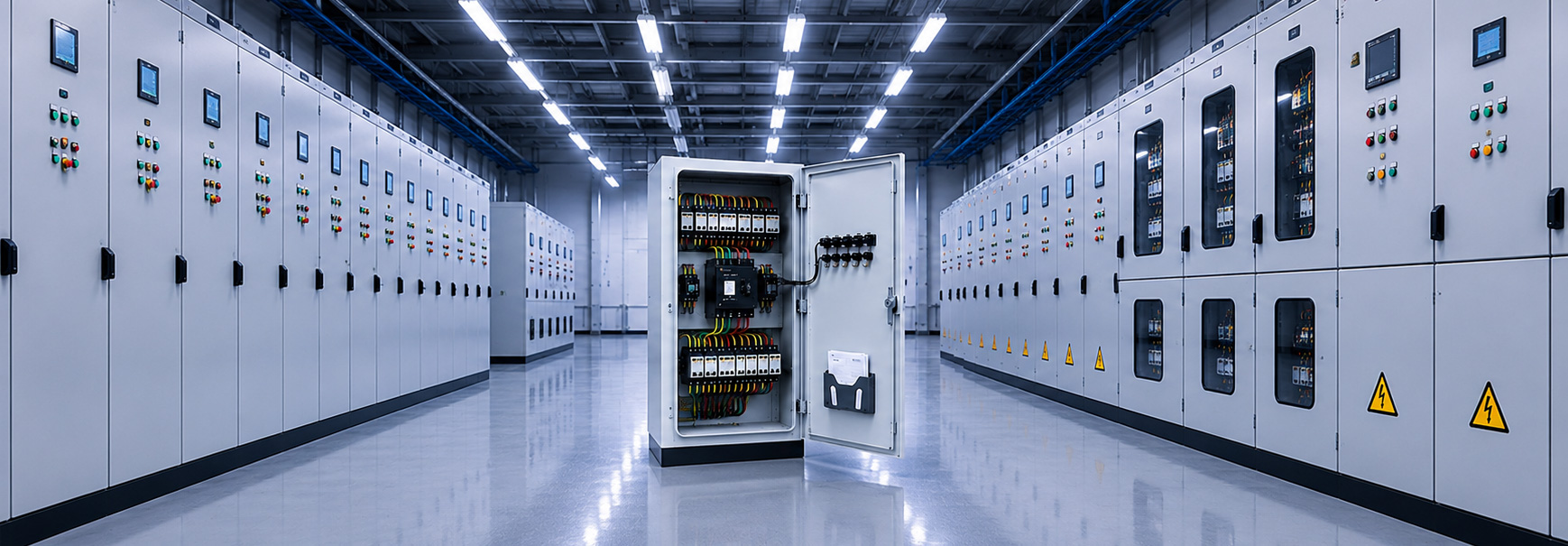
Understanding Common Faults of High and Low Voltage Distribution Cabinets Can Shorten Maintenance Time
Understanding Common Faults of High and Low Voltage Distribution Cabinets Can Shorten Maintenance Time
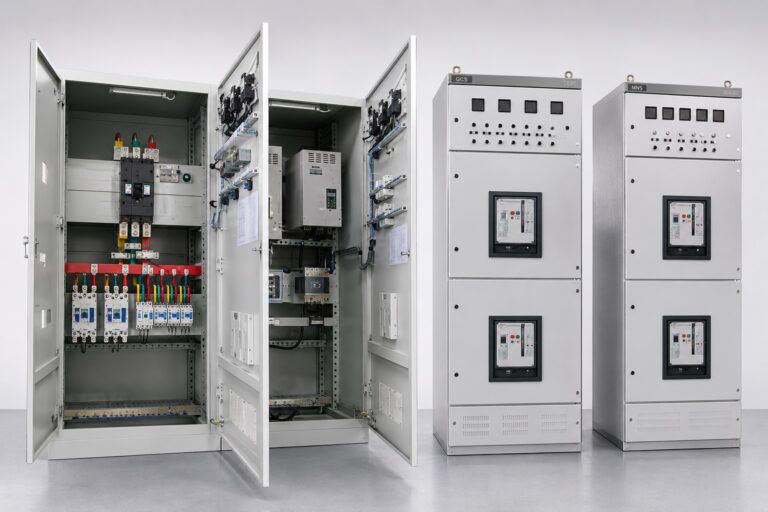
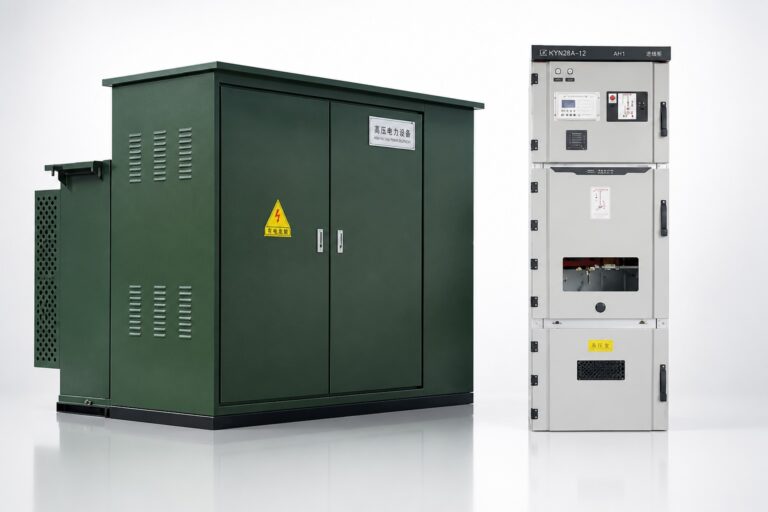
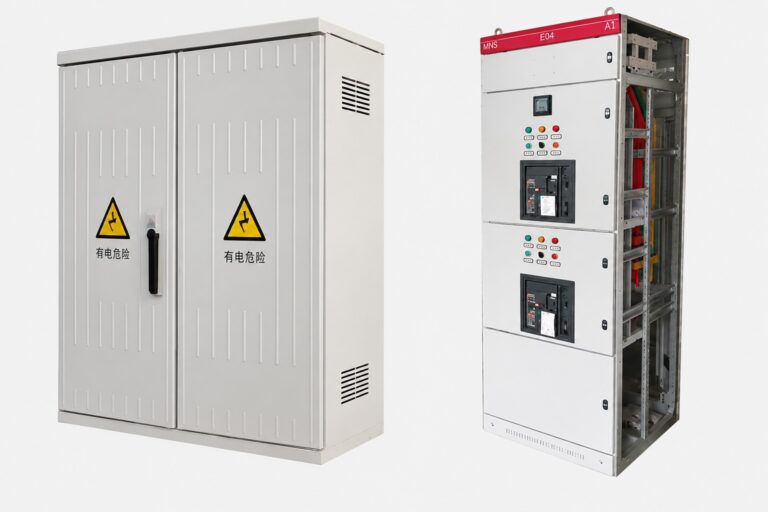
High and low voltage switchgear, starting cabinets, and distribution cabinets are widely used in power transformation and distribution systems. They play an important role in circuit control, protection, and power distribution. However, due to the relatively complex structure of high voltage distribution cabinets and the various forms of possible faults, maintenance personnel may find it difficult to quickly identify the exact cause of failure.
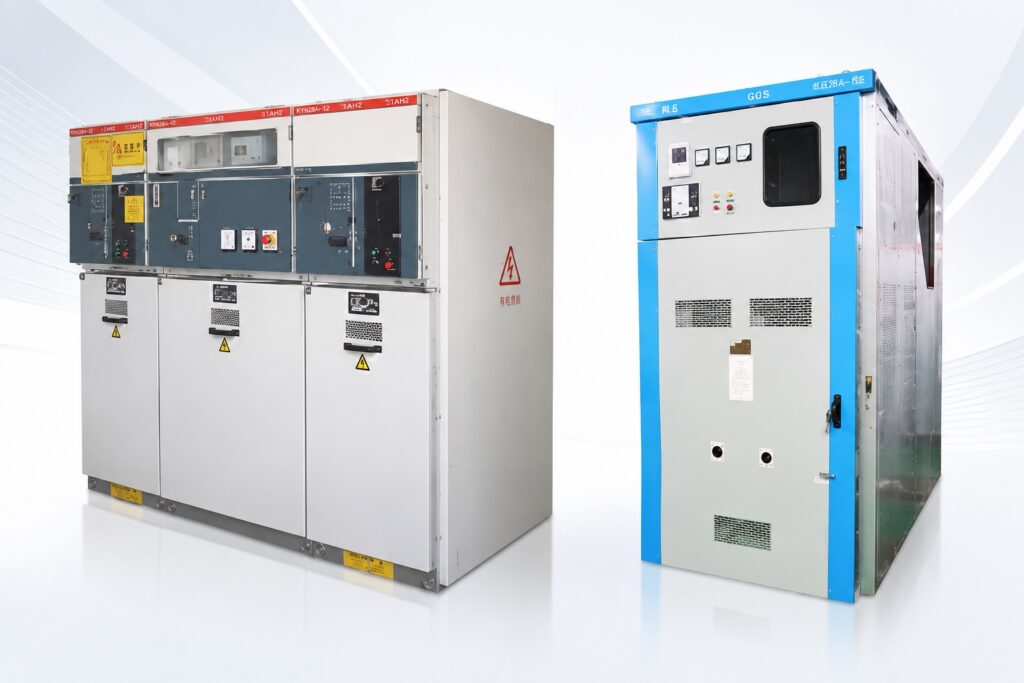
Understanding the common fault types of high and low voltage distribution cabinets can help maintenance personnel improve inspection efficiency, reduce troubleshooting time, and support the stable operation of power distribution systems. The following are several common types of faults.
1. Refusal Operation and Misoperation Faults
Refusal operation and misoperation are common faults in high voltage distribution cabinets. The causes can generally be divided into two categories.
The first category is caused by mechanical faults in the operating mechanism and transmission system. Common symptoms include mechanism jamming, component deformation, displacement or damage, loose or stuck opening and closing iron cores, broken shaft pins, and tripping failure.
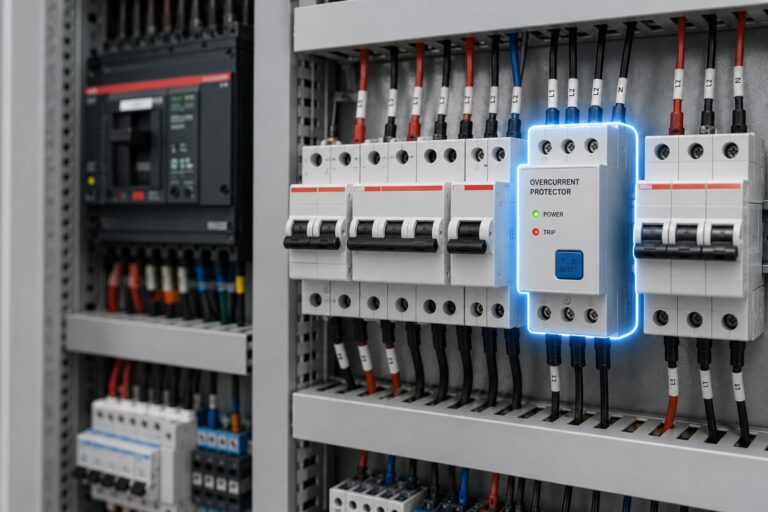
The second category is caused by electrical control and auxiliary circuit problems. Common issues include poor contact in secondary wiring, loose terminals, incorrect wiring, burned opening and closing coils caused by mechanism jamming or faulty transfer switches, poor auxiliary switch conversion, and faults in the operating power supply, closing contactor, or micro switch.
2. Opening and Closing Faults
Opening and closing faults are usually related to the circuit breaker itself. For oil circuit breakers, common problems may include oil injection short circuit, arc extinguishing chamber damage, insufficient breaking capacity, and explosion during closing operation.
For vacuum circuit breakers, common faults may include air leakage in the arc extinguishing chamber or bellows, reduced vacuum degree, restrike during capacitor bank switching, and ceramic tube cracking. These faults may affect the normal breaking and closing performance of the equipment.
3. Insulation Faults
Insulation performance is an important factor for the safe operation of distribution cabinets. Proper insulation design needs to consider operating voltage, various overvoltages, voltage limiting measures, and insulation strength. The goal is to ensure both safety and economic performance.
Common insulation faults include external insulation flashover to ground, internal insulation flashover to ground, phase-to-phase insulation flashover, lightning overvoltage flashover, bushing flashover, pollution flashover, breakdown, explosion, lifting rod flashover or breakdown, and porcelain insulator fracture.
4. Current-Carrying Faults
Current-carrying faults may occur in distribution cabinets with certain voltage levels. One common cause is poor contact at the isolation plug of the switchgear, which may lead to overheating and contact burning. Therefore, regular inspection of contact parts is important for reducing current-carrying faults.
5. External Force and Other Faults
External force and unexpected faults may also affect the operation of distribution cabinets. These may include foreign object impact, natural disasters, small animal short circuits, environmental influence, and other unexpected external factors. Preventive measures and regular maintenance can help reduce the impact of such faults.
Conclusion
High and low voltage distribution cabinets are important equipment in power distribution systems. By understanding common fault types and their possible causes, maintenance personnel can improve troubleshooting efficiency and shorten maintenance time. Regular inspection, proper operation, and preventive maintenance are important for ensuring the safe and stable operation of electrical equipment.