Hui Tuo Power

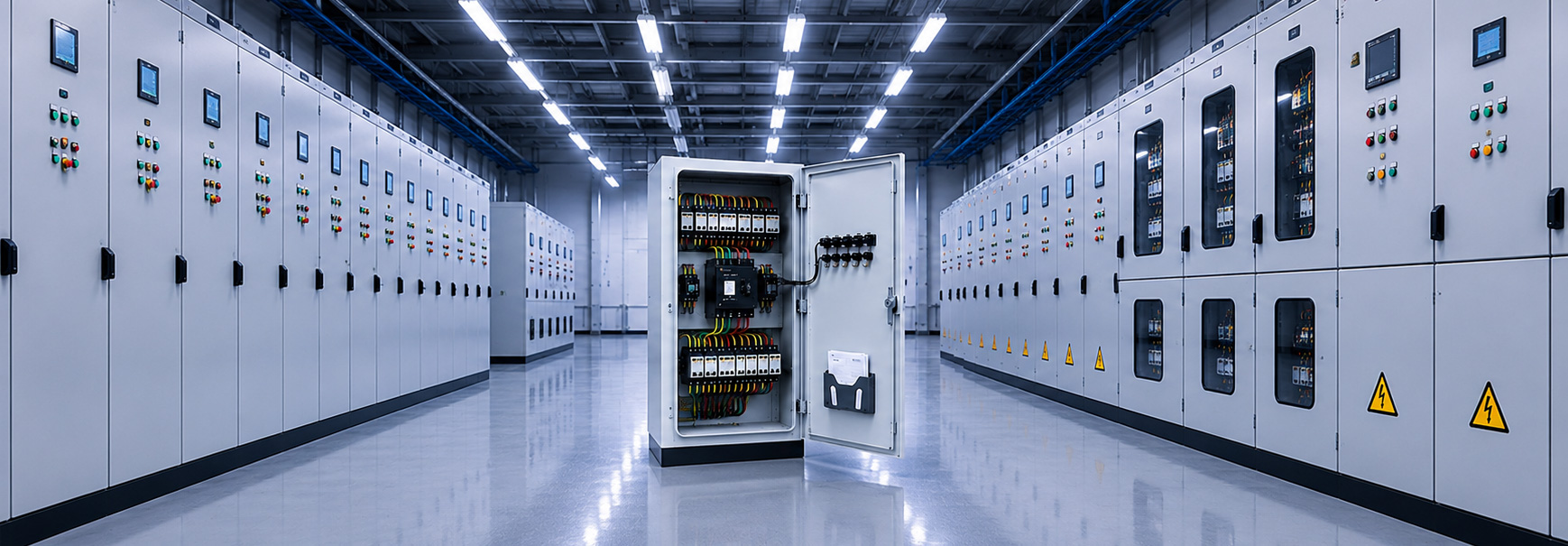
Manufacturing Method of High and Low Voltage Distribution Cabinet Enclosures
Manufacturing Method of High and Low Voltage Distribution Cabinet Enclosures
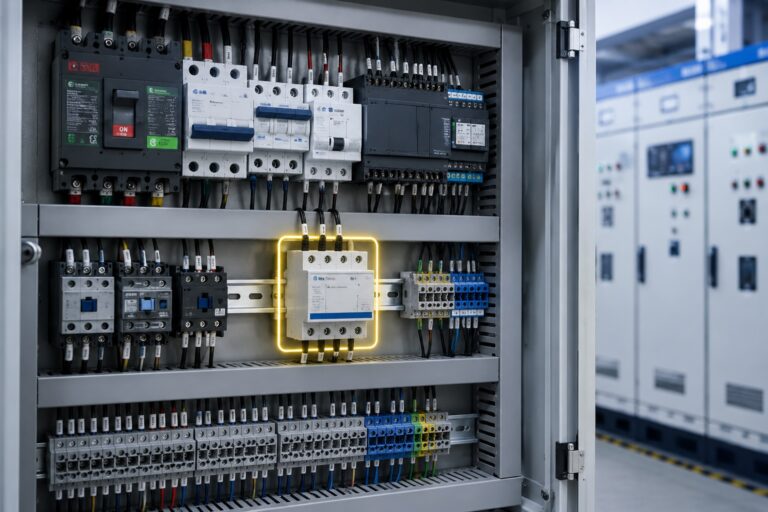
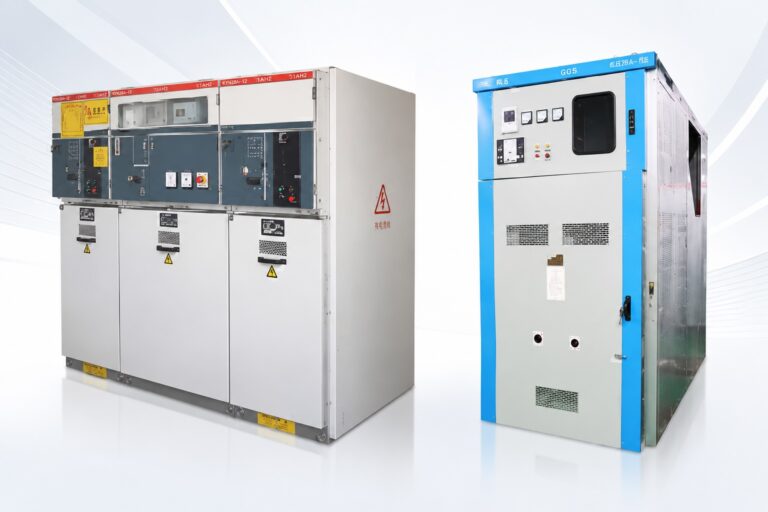
The enclosure of a low voltage distribution cabinet refers to the outer shell of the distribution cabinet. It is also commonly called the cabinet body. As an important structural part of power distribution equipment, the cabinet enclosure provides support, protection, installation space, and basic safety protection for internal electrical components.
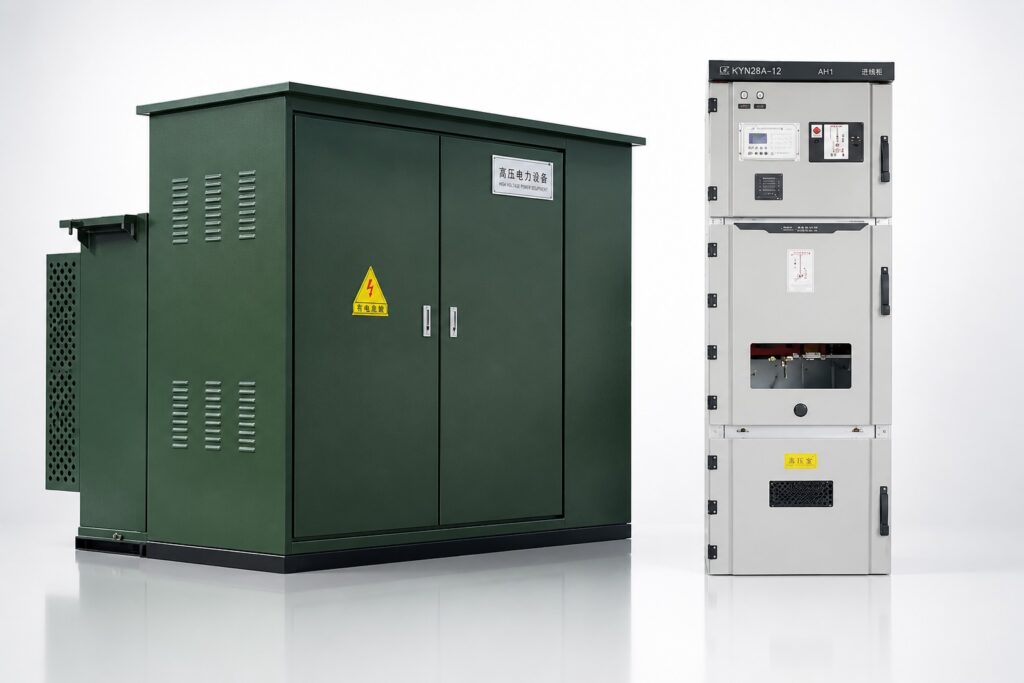
Cabinet Enclosure Structure
A high and low voltage distribution cabinet enclosure generally includes the cabinet body, internal mounting parts, ventilation structure, and related auxiliary components. In one cabinet enclosure structure, a fixing strip is installed on the inner wall at the rear side of the cabinet body. A ventilation strip is arranged at the front end of the fixing strip, and a vacuum chamber is arranged at the rear side of the fixing strip.
An air extraction hole can be arranged on the rear wall of the cabinet body, allowing the vacuum chamber to communicate with the outside. A vacuum pump connection port may be installed on the air extraction hole, and a one-way valve may be arranged inside the air extraction hole. The bottom inside the cabinet can be equipped with an air pump and a compressor.
Internal Component Installation
The fixing strip can be used to install the circuit board. The air pump and compressor are electrically connected with the circuit board. The air pump, compressor, and ventilation strip can be connected through air guide pipes, forming a related airflow and ventilation structure inside the cabinet.
This type of structure helps support the installation and positioning of electrical components inside the cabinet. By adjusting the position of the fixing strip, circuit boards of different specifications can be fixed more conveniently, which is helpful for flexible assembly and standardized production.
Advantages of the Cabinet Enclosure Design
The cabinet enclosure design can help fix the circuit board through the fixing strip and allows the position of the fixing strip to be adjusted according to different circuit board specifications. This makes the structure suitable for batch production and standardized manufacturing.
In addition, the sealing strip can help separate the circuit board from the cabinet body, reducing potential safety risks during operation. Since there is no need to set additional installation holes on the enclosure, the production process can be simplified while improving installation efficiency.
Conclusion
The manufacturing method of high and low voltage distribution cabinet enclosures is closely related to product structure, installation efficiency, ventilation design, and safety performance. A reasonable enclosure structure can support flexible component installation, improve production efficiency, and provide better protection for internal electrical components.