Hui Tuo Power

Precautions During Power Equipment Installation
Precautions During Power Equipment Installation
During the installation of power equipment, safety operation is very important. Especially when laying power cables, construction personnel should wear protective gloves and insulated shoes. Cable drums must not be pushed directly from vehicles, and the ground used for rolling cable drums should be flat and stable. Damaged cable drums should not be rolled or transported.
Before cable laying, the cable drum should be properly supported by a suitable cable drum rack. During cable releasing, all operators should follow the command of the team leader and keep coordinated operation to ensure safe and orderly construction.
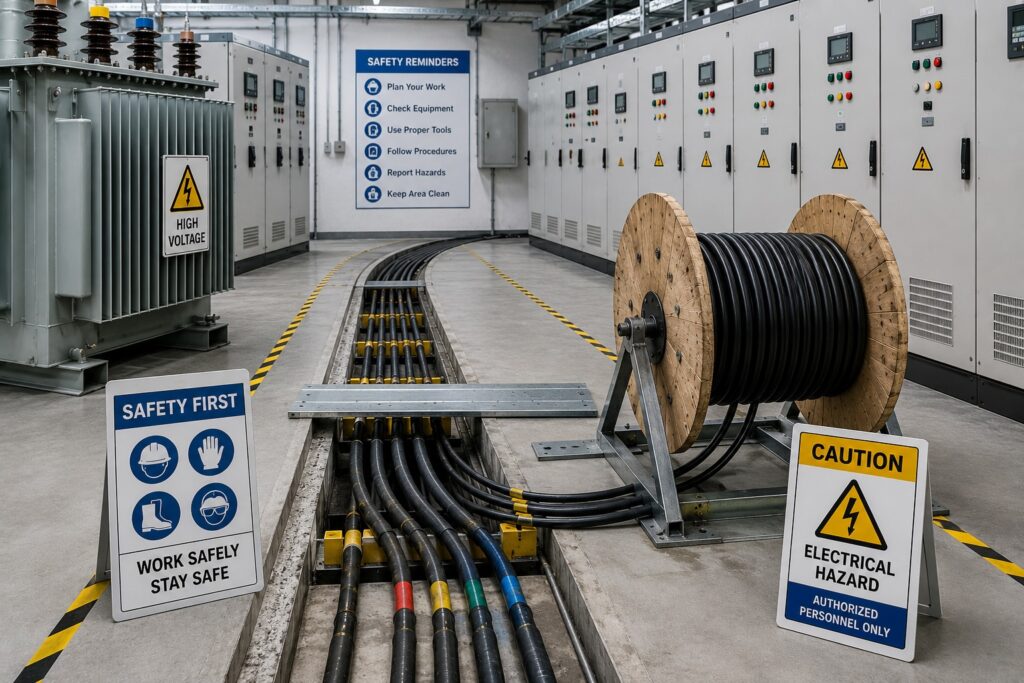
Safety Requirements for Cable Laying
When cables are laid in an operating cable trench, protective measures should be taken to avoid damaging existing running cables. This helps prevent leakage accidents and other electrical safety risks. When the cable laying machine reaches a turning position, operators should stand on the outside of the bend to avoid injury caused by cable tension or movement.
When cables are laid across intersections, passages, or working areas, necessary warning and protection measures should be arranged to prevent pedestrians or workers from tripping. Good site management can reduce accidental injuries during installation.
Precautions for Live Panels and Cable Termination
When cables are inserted into energized panels or equipment, special personnel should be arranged for supervision and guidance. The cable must be prevented from touching live parts. When using a blowtorch to make cable terminals, fire prevention measures should be prepared in advance.
If epoxy resin needs to be heated during cable terminal preparation, indirect heating methods should be used. Direct heating with an open flame should be avoided to reduce fire risk and ensure construction safety.
Insulation Testing and Warning Measures
When using a megohmmeter to test cable insulation resistance, warning signs should be placed at the cable terminals to prevent accidental human contact. After testing, the tested object should be discharged properly to avoid residual electric shock hazards.
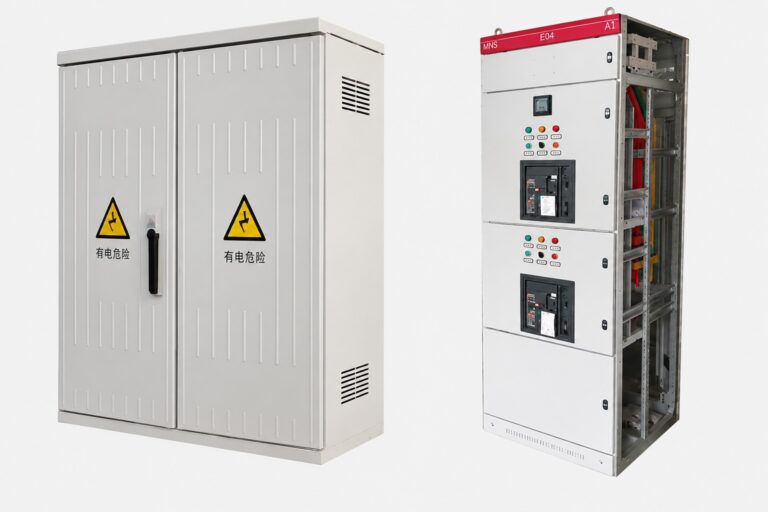
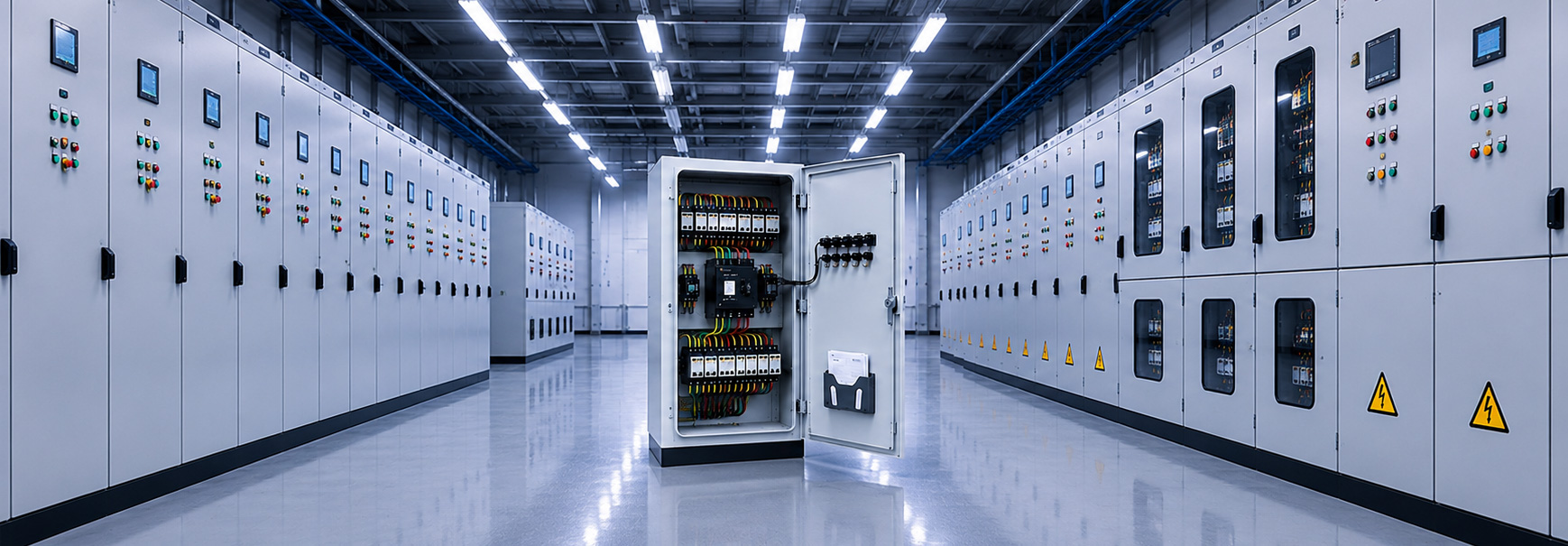
Warning signs should be placed at all parts where electric shock may occur, including high voltage cabinets, transformers, low voltage cabinets, cables, and related electrical equipment. All electrical equipment, wires, and cables should be kept dry, and rainwater or moisture should be prevented from entering the equipment.
Conclusion
Power equipment installation requires strict safety awareness throughout the entire process. From cable laying and cable termination to insulation testing and equipment protection, each step should follow safe construction procedures. Proper safety management helps ensure the smooth implementation of power engineering projects and supports the reliable operation of electrical equipment.